Bienvenue
Depuis des décennies, nous entretenons une relation forte avec les boulangers et les professionnels de la gastronomie et adhérons pleinement aux principes qui les unissent aux consommateurs : la proximité, la qualité, la traçabilité des produits…
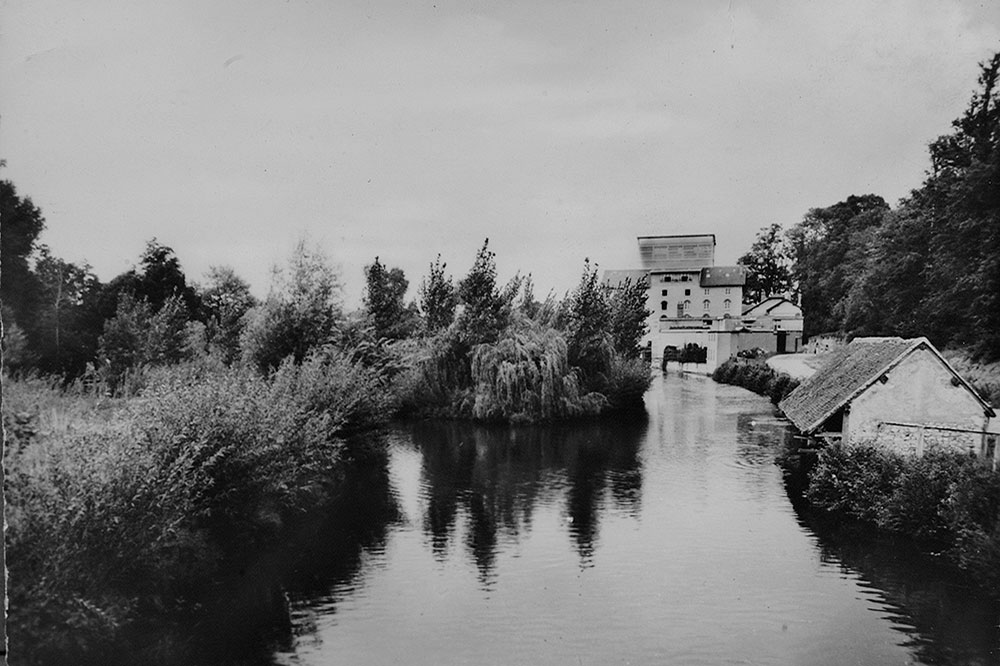
Depuis six générations, nous innovons et renforçons notre savoir-faire, fondé à chaque étape sur la recherche de l’excellence : sélection exigeante de blés issus de Beauce et d’Eure-et-Loir ; approvisionnement de céréales biologiques en France ; assemblage rigoureux qui favorise une mouture audacieuse, alliant tradition et modernité.
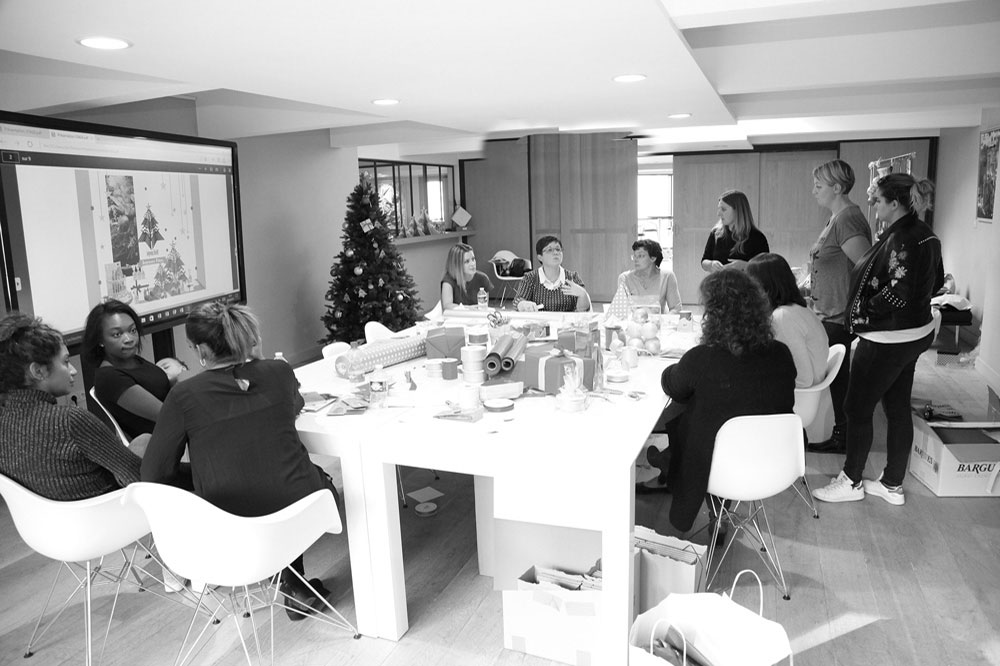
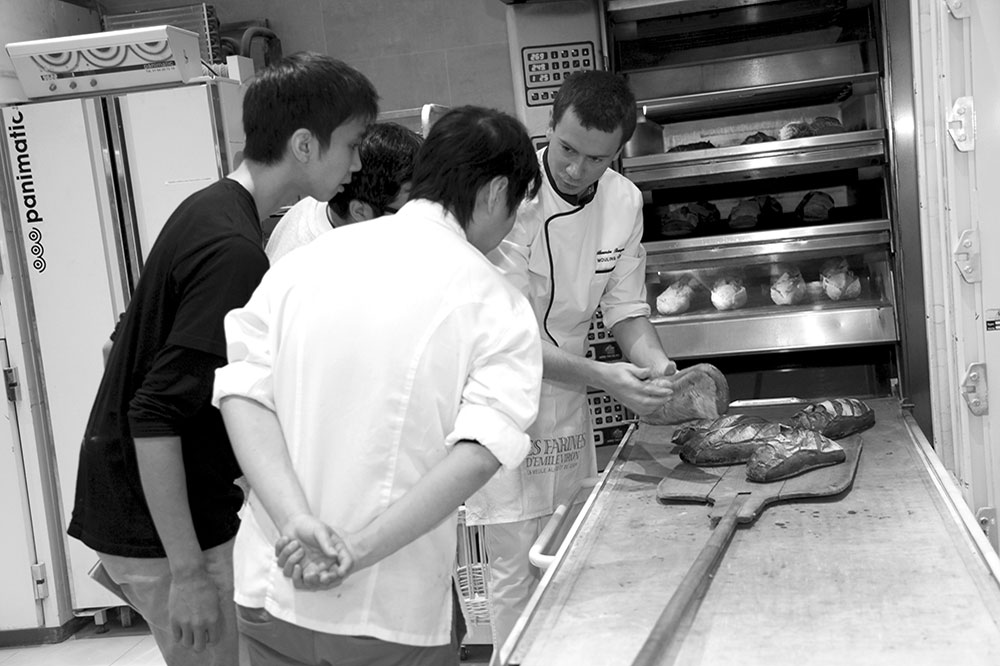
Les Moulins Viron, c’est une identité plurielle, avec la Rétrodor et la Tradition Française, nos produits phares ; avec aussi les Farines d’Émile, une gamme novatrice de farines 100% bio. Cette identité s’illustre également à travers l’école, destinée à développer les talents de nos partenaires et à faire progresser leurs équipes. Notre ambition est de profiter de cet outil pédagogique pour faire (re)découvrir le blé, la farine et le pain. Avec toujours pour objectif de cultiver l’excellence.